The Ultimate EWI Installation Guide: Weather Limits, Hazards, and Professional Standards

Most Important
Successful External Wall Insulation (EWI) requires strict environmental control. The "Gold Standard" for installation is a temperature range of +5°C to +25°C with humidity below 80%. Installing outside these parameters—such as during rain, high winds, or direct summer sun—can lead to delamination, "flash drying," or permanent structural cracks. Use specialized additives like Ceresit CT 240 Winter for cold-weather projects.
Installation vs. Environment Hazards
Common Dangers During EWI Installation

Danger 1: The "Rain Wash-Off"
If it rains within 24–48 hours of applying a silicone topcoat (like Ceresit CT 74), the pigment can wash out, leaving white streaks that are impossible to spot-repair.
- Fact: Always ensure a minimum of 48 hours of dry weather after the final coat.

Danger 2: The "Heat Bloom"
In hot UK summers (above 25°C), the wall surface can become a "radiator." If you apply render to a hot wall, the water evaporates instantly. This prevents the chemical bond from forming, leading to "chalking"—where the render rubs off like powder when touched.
- Fact: Never render a wall in direct midday sun. Follow the "Shadow of the Building" and render south-facing walls in the early morning only.
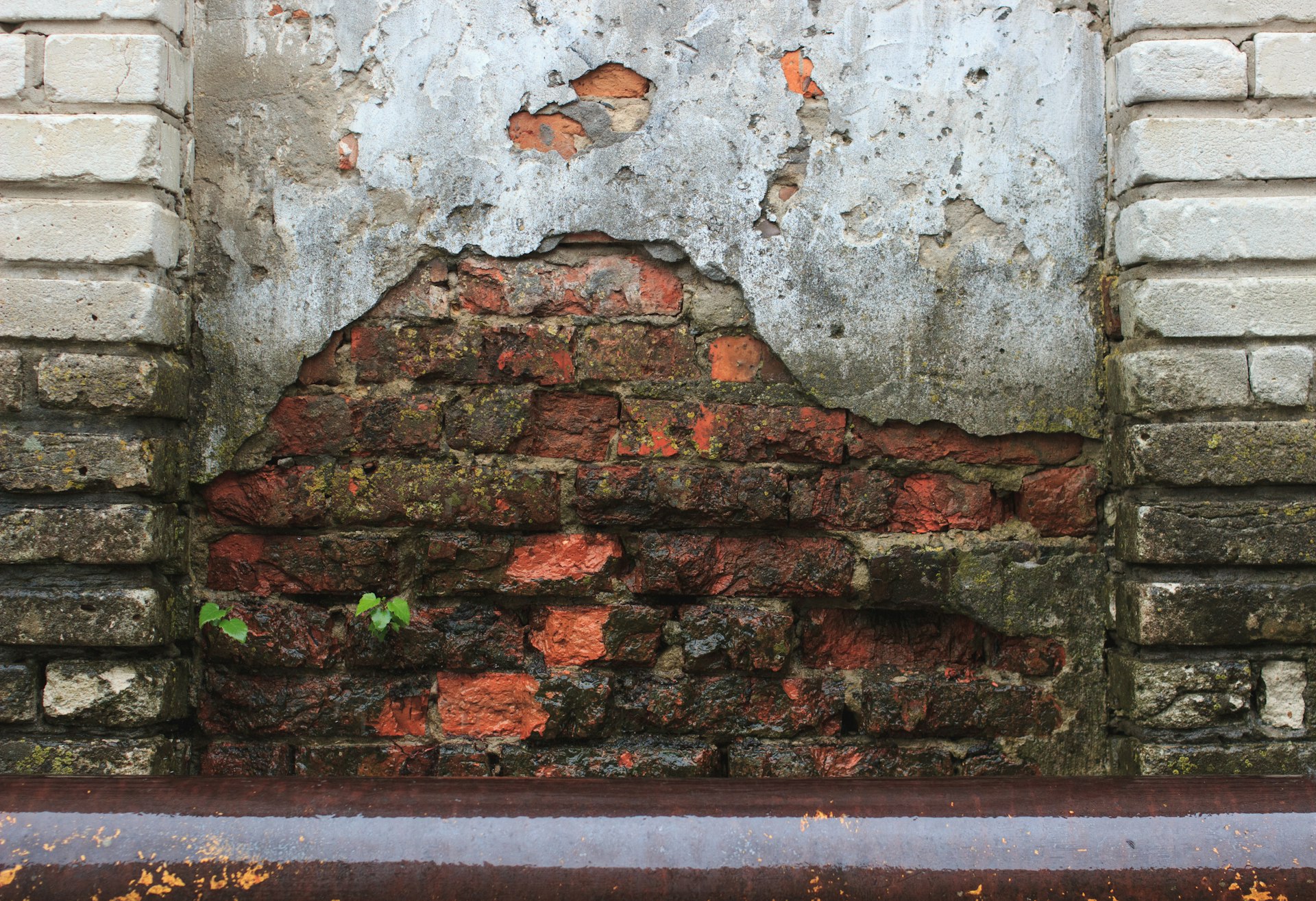
Danger 3: Hidden Damp & Saturated Bricks
Installing EWI over a wall that has "soaked-in" rainwater from a winter storm is a recipe for disaster. The moisture gets trapped behind the EPS boards, causing interstitial condensation.
- Fact: Use a moisture meter. If the substrate moisture is above 20%, the wall must be allowed to dry before the first board is glued.
Proper Installation Checklist
Substrate Prep: Strip old paint; treat with Ceresit CT 98 if algae is present.
The "Ribbon & Dab" Method: Never just use "dabs." A continuous ribbon of adhesive around the edge of the board stops air from circulating behind the system (fire safety).
Mechanical Fixings: In high-wind areas (coastal UK), use a minimum of 8 fixings per m².
The Mesh Overlap: Ensure the fiberglass mesh overlaps by at least 100mm at all joints to prevent vertical cracking.
Want to know more or sign up for an EWI training? Contact Us